Top Automotive Tools for Repair Success - Your Ultimate Auto Repair Tools Guide

When it comes to working on your vehicle, having the right tools can make all the difference. Whether you're changing your oil, fixing brakes, or tackling more complex repairs, the right automotive tools help you work smarter, not harder. I’ve spent a lot of time learning which tools are essential for success, and I’m excited to share this auto repair tools guide with you. Together, we’ll explore the must-have tools that every DIY vehicle owner and automotive enthusiast should have in their garage.
Why This Auto Repair Tools Guide Matters
Starting any repair project without the proper tools can be frustrating and even dangerous. This guide is designed to help you build a solid toolkit that covers a wide range of repairs. I’ll walk you through the basics and some advanced tools, explaining why each one is important and how it can save you time and money.
By the end of this post, you’ll feel confident about what tools to invest in and how to use them effectively. Plus, I’ll share some tips on maintaining your tools so they last for years to come.
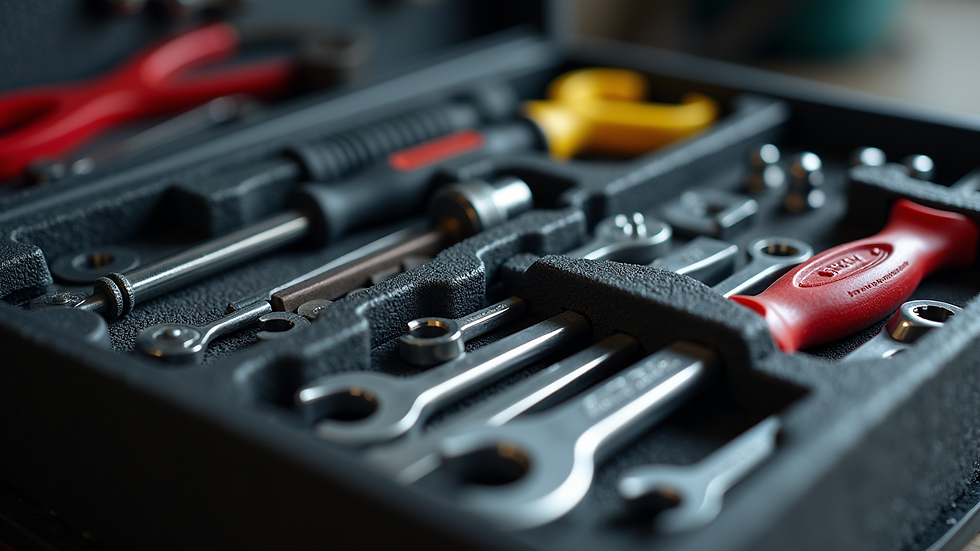
Essential Tools Every DIY Vehicle Owner Should Have
Let’s start with the basics. These tools form the foundation of any automotive toolkit. They are versatile, reliable, and will cover most common repairs and maintenance tasks.
1. Socket Set and Ratchet
A good socket set is a must-have. It allows you to remove and tighten bolts and nuts of various sizes quickly. Look for a set that includes both metric and standard sizes. A ratchet with a comfortable grip and a smooth mechanism will make your work easier.
2. Screwdrivers
Flathead and Phillips screwdrivers in multiple sizes are essential. They’re used for everything from removing interior panels to adjusting components under the hood.
3. Pliers
Needle-nose pliers, slip-joint pliers, and locking pliers are all useful. They help you grip, twist, and cut wires or small parts.
4. Wrenches
Combination wrenches (open-end and box-end) in various sizes are necessary for tight spaces where a socket might not fit.
5. Jack and Jack Stands
Safety first! A reliable hydraulic jack and sturdy jack stands are critical for lifting your vehicle safely when working underneath.
6. Torque Wrench
Over-tightening or under-tightening bolts can cause damage or safety issues. A torque wrench ensures you apply the correct amount of force.
7. Multimeter
For electrical troubleshooting, a multimeter is invaluable. It helps you test batteries, fuses, and wiring.
8. Oil Filter Wrench
Changing your oil is one of the most common DIY tasks. An oil filter wrench makes removing the filter quick and mess-free.
9. Work Light
Good lighting is often overlooked but essential. A portable LED work light helps you see clearly in dark engine bays or under the car.
10. Funnel and Drain Pan
These simple tools keep your workspace clean when changing fluids like oil or coolant.
How to Choose Quality Tools That Last
Investing in quality tools pays off in the long run. Cheap tools might save money upfront but can break or wear out quickly. Here are some tips to help you pick the best tools:
Material: Look for tools made from chrome vanadium steel or similar durable materials.
Comfort: Choose tools with ergonomic handles to reduce hand fatigue.
Warranty: Many reputable brands offer lifetime warranties.
Reviews: Check user reviews to see how tools perform in real-world conditions.
Remember, your tools are an investment in your ability to maintain and repair your vehicle confidently.
What are the major automotive groups?
Understanding the major automotive groups can help you source the right parts and tools for your vehicle. These groups often share parts and design philosophies, which can simplify repairs.
General Motors (GM): Includes Chevrolet, GMC, Cadillac, and Buick.
Ford Motor Company: Covers Ford and Lincoln brands.
Stellantis: Formed by the merger of Fiat Chrysler and PSA Group, includes Jeep, Dodge, Ram, Chrysler, Peugeot, and others.
Volkswagen Group: Owns Volkswagen, Audi, Porsche, and several other brands.
Toyota Group: Includes Toyota, Lexus, and Scion.
Knowing which group your vehicle belongs to can help you find compatible tools and parts more easily. For example, some diagnostic tools are designed specifically for certain brands or groups.
Specialty Tools That Make Tough Jobs Easier
Once you have the basics, you might want to add some specialty tools to your collection. These tools are designed for specific tasks and can save you a lot of time and effort.
1. Brake Caliper Tool
If you plan to replace brake pads, a brake caliper tool helps you compress the caliper piston safely and evenly.
2. Spark Plug Socket
A spark plug socket has a rubber insert that grips the plug, making removal and installation easier without damage.
3. Timing Light
For older vehicles with adjustable ignition timing, a timing light is essential to set the timing correctly.
4. Battery Terminal Cleaner
Corroded battery terminals can cause starting problems. A battery terminal cleaner helps you remove corrosion and improve electrical contact.
5. OBD-II Scanner
Modern vehicles have onboard diagnostics. An OBD-II scanner lets you read trouble codes and reset warning lights, helping you diagnose issues quickly.
6. Creeper
A creeper is a low-profile rolling platform that lets you slide under your vehicle comfortably.
7. Impact Wrench
For stubborn bolts, an impact wrench delivers high torque with less effort. Electric or pneumatic versions are available.

Tips for Organizing and Maintaining Your Tools
Keeping your tools organized and in good condition is just as important as having the right ones. Here are some practical tips:
Toolbox or Tool Chest: Invest in a sturdy toolbox with compartments to keep tools sorted.
Labeling: Label drawers or compartments for quick access.
Clean After Use: Wipe tools clean and remove grease or dirt.
Lubricate Moving Parts: Apply oil to hinges and ratchets to keep them working smoothly.
Store in a Dry Place: Prevent rust by keeping tools in a dry environment.
Regular Inspection: Check for wear or damage and replace tools as needed.
By taking care of your tools, you ensure they perform well and last longer.
Where to Find Reliable Automotive Tools and Parts
Finding quality tools and parts can sometimes be overwhelming. I recommend checking out trusted online resources and local stores that specialize in automotive supplies. One great resource I’ve come across is net terian automot, which offers a wide range of automotive knowledge and quality parts to help you tackle your repairs confidently.
Building Your Toolkit Over Time
You don’t need to buy everything at once. Start with the essentials and add specialty tools as you take on more complex projects. Keep a list of tools you need for upcoming repairs and prioritize based on frequency of use and importance.
Remember, the right tools empower you to take control of your vehicle’s maintenance and repairs. With patience and practice, you’ll find that many jobs become easier and more enjoyable.
Empower Yourself with the Right Tools
Having the right automotive tools is the first step toward successful vehicle repairs. This guide has covered the essentials and some specialty tools that will help you handle a wide range of tasks. Remember to invest in quality, keep your tools organized, and continue learning as you go.
With the right tools and knowledge, you can confidently maintain your vehicle, save money, and enjoy the satisfaction of doing it yourself. Happy wrenching!


Comments